
Join 8,000 Iceland Travel Fans & Unlock Exclusive Discounts
Subscribe and instantly receive free discount codes for tours, car rentals, camper vans, and outdoor gear — carefully hand-picked to help you save on your Iceland adventure.
- ✔ Instant access to exclusive discount codes
- ✔ Savings on tours, car and camper rentals
- ✔ Tips and inspiration for planning your Iceland trip
Understanding Iceland’s Snowboarding Seasons and Conditions
Reykjavik Area and Nearby Mountains for Snowboarding
Best Regions in Iceland for Snowboarding
The Westfjords attract experienced riders seeking isolation and untouched snow. Steep mountains rise directly from the sea, creating dramatic lines that are rarely tracked. Access can be challenging, but the reward is quiet terrain and unique coastal perspectives.
East Iceland offers a balance between these extremes. Its varied terrain includes broad bowls and narrow couloirs, making it a versatile region for snowboarders exploring beyond the usual routes.
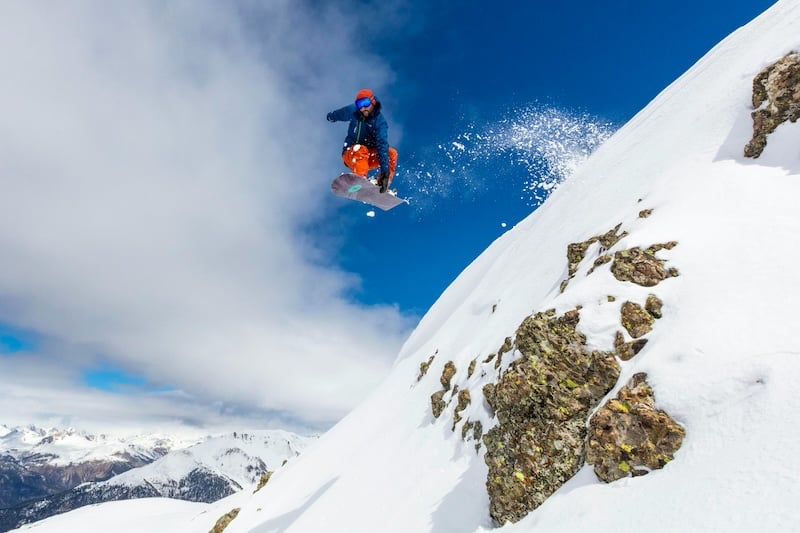
Backcountry Snowboarding in Iceland’s Remote Terrain
Backcountry snowboarding is central to Iceland’s appeal. Much of the country’s rideable terrain lies far from lifts or marked runs, offering wide open slopes shaped by wind, snowfall, and volcanic geology. These areas attract riders seeking solitude and diverse natural features, rather than resort infrastructure.
Book a hotel and a flight to Iceland
Riders should be familiar with their setup and confident using their range of snowboarding gear in cold, windy, and unpredictable environments, especially when switching between climbing, traversing, and riding in variable snow. This familiarity helps maintain efficiency and control in varied terrains.
Because these landscapes are largely unmanaged, self-sufficiency is critical. Avalanche knowledge, navigation skills, and conservative decision-making play a major role in keeping backcountry days safe and rewarding.
Safety Considerations for Snowboarding in Iceland
Weather and environmental factors to consider:
- Rapidly changing weather systems that can bring strong winds and whiteout conditions
- Significant temperature fluctuations that affect snow stability
- Limited daylight during the early winter months, which shortens safe riding windows
Avalanche awareness and terrain management:
- Avalanche risk exists across both steep and moderate slopes
- Wind loading is common and can create unstable snow even after clear weather
- Uncontrolled terrain requires riders to carry avalanche safety gear and practice conservative route selection
Travel and logistics considerations:
- Winter road closures may affect access to riding areas
- Remote regions often lack cell service or emergency support
- Flexible itineraries help account for sudden weather or road changes
Gear, Logistics, and Local Resources
Planning snowboarding logistics in Iceland requires more forethought than trips to traditional resort destinations. Outside major towns, services are limited, and riders often need to rely on their own equipment and planning. Choosing appropriate boards, bindings, and layering systems matters, especially when dealing with wind, moisture, and fluctuating temperatures. Rental options are available in Reykjavík and Akureyri, but selection can be limited during peak winter periods. Many riders prefer to bring their own equipment to ensure familiarity and reliability. Splitboards and touring setups are common for those heading beyond lift-served areas, where access depends on climbing efficiency as much as riding ability.
Local guides and mountain professionals can be valuable resources, particularly for visitors new to Icelandic terrain. Guided trips offer insight into regional conditions, safer route choices, and current snowpack behavior.
Financial Considerations
Snowboarding in Iceland can be expensive, and it helps to go in with realistic expectations. Travel costs add up quickly, especially in winter when flights, accommodation, and car rentals often cost more. Fuel prices are also high, and longer drives to reach snowboarding regions can significantly impact your budget.
Accommodation is another major factor. Staying in Reykjavík offers more options and flexibility, while smaller towns near riding areas may have limited availability and higher nightly rates. Eating out regularly can be costly, so mixing restaurant meals with groceries is a common way travelers keep expenses under control.
Wrapping Up
Snowboarding in Iceland is not about chasing perfect resorts or predictable days. It’s about working with whatever conditions you wake up to and being open to changing plans when the weather decides otherwise. The payoff often comes in quiet mountains, wide open slopes, and moments that feel far removed from crowded winter destinations.