

Join 8,000 Iceland Travel Fans & Unlock Exclusive Discounts
Get Iceland advice straight from a local. Subscribe and unlock exclusive discounts from 50+ hand-picked Icelandic operators.
- ✔ Instant access to exclusive discount codes
- ✔ Savings on tours, car, and camper rentals
- ✔ Tips and inspiration for planning your Iceland trip
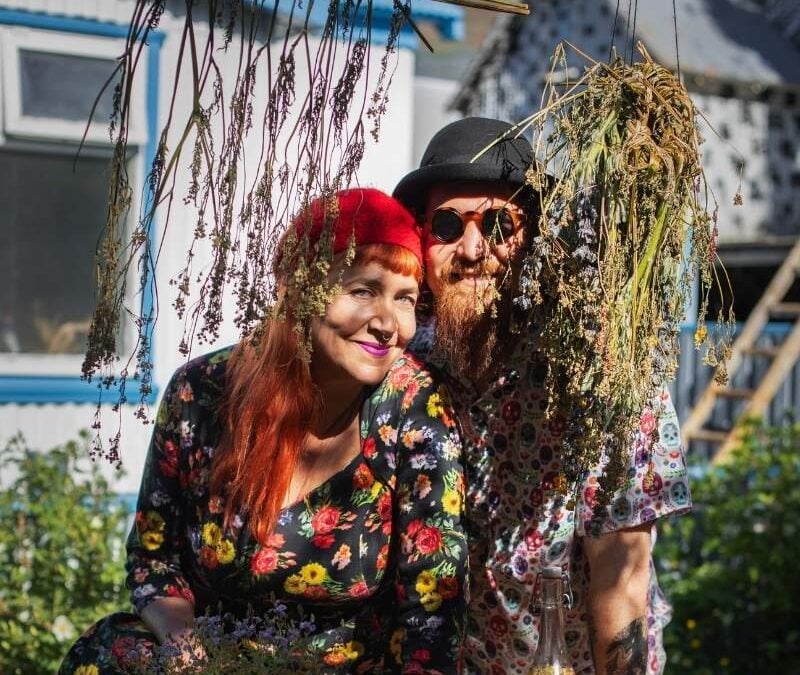
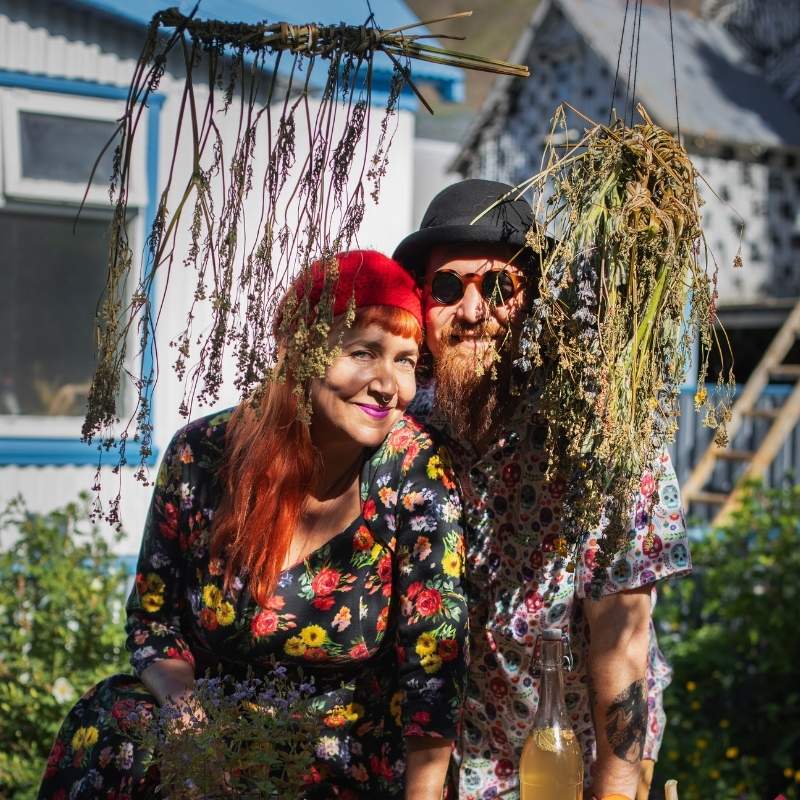
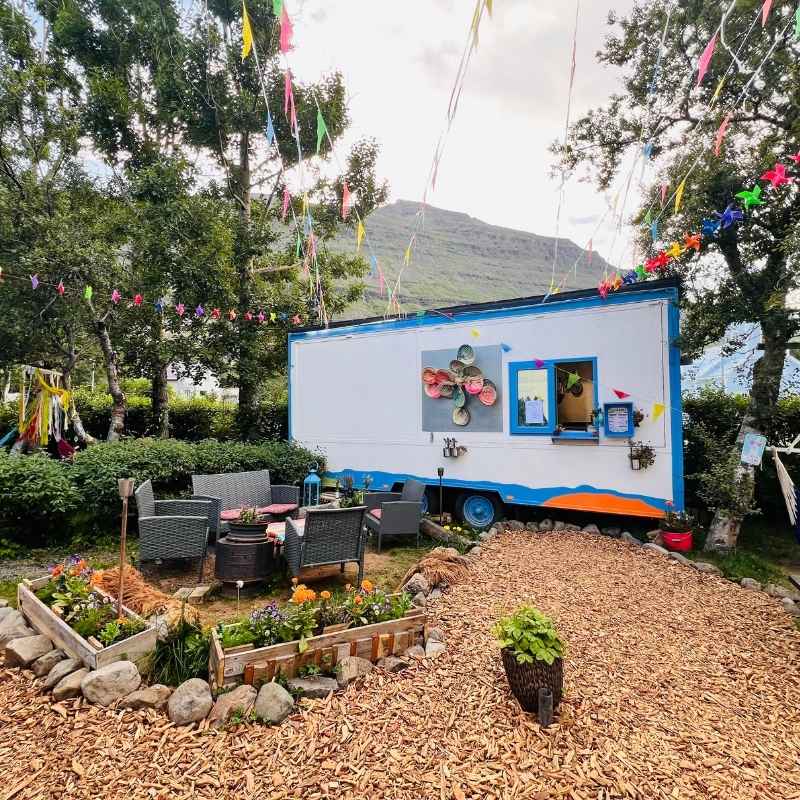
Seyðisfjörður in the East of Iceland has always attracted people who do things their own way. It is a town of just under 700 people at the end of a long fjord in the East, famous for its rainbow street, its artist community, and the weekly ferry from Europe. Now it has something new: a food truck in the backyard of a historical house called Magasin, run by Juanjo Ivaldi and Tess Rivarola, a couple who moved here from Paraguay in 2020.
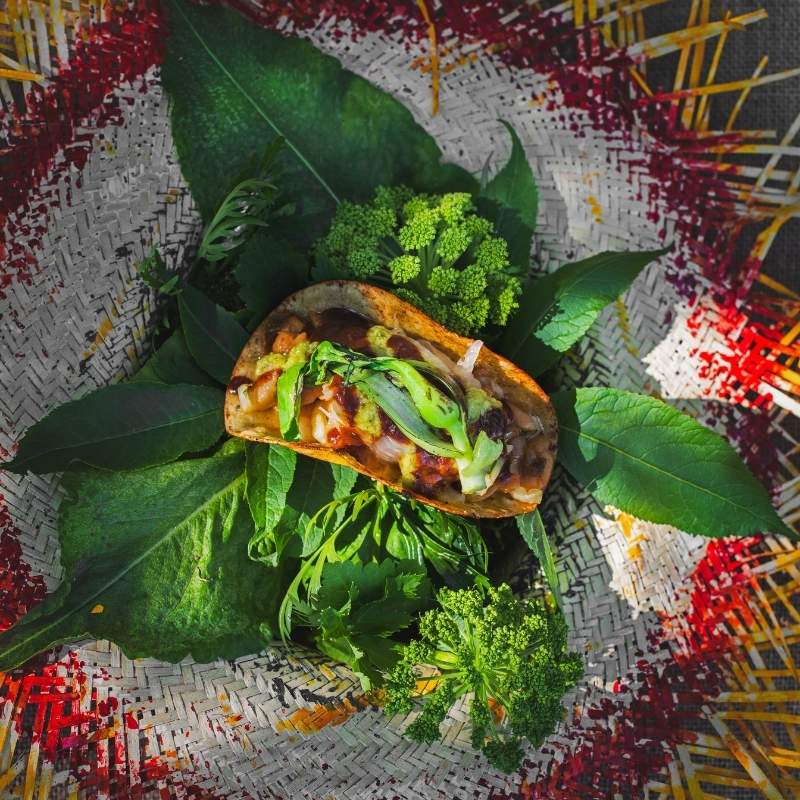
Their menu is unlike anything else in Iceland. Think slow-cooked lamb tacos with chimichurri, rhubarb mayonnaise and roasted pineapple, or their cod hot dog, the “Atlantico Guarani.” It is Latin American soul food meeting Icelandic ingredients, and it grew out of a culinary and cultural project they started in Asunción back in 2016. I asked them about the journey from Paraguay to the East Fjords, and — because I know you are planning your own trip — what they recommend for visitors to their corner of Iceland.
You moved from Asunción to Seyðisfjörður in 2020 — that is about as big a change as geography allows. What brought you here, and what made you stay?
Tess: We actually came to Iceland together in May 2019 “just for a summer job” in a very different region: Hornafjörður. Juanjo worked as a chef in Reykjavik from 2009 to 2014 at places such as Islenski Barinn, Sushi Samba and Uno. During that time, he met his best Icelandic friend, who invited Juanjo in 2019 to work for a summer at the restaurant and brewery “Jon Riki,” which they had opened on the Holmur farm—so that’s where we went and where we have our Icelandic family.

We arrived in Seyðisfjörður during the COVID pandemic. A Colombian friend who has lived in Reykjavik for over 20 years sent us an application for elementary school; they were looking for an art teacher and a cook. During the year we lived in Hornafjordur, people had already been telling us, “I think Seyðisfjörður is the place for you guys.” So we applied, went through the interviews, and got the jobs. I came as an art teacher and Juanjo as a cook.
The only time we visited Seyðisfjörður together, back in 2019 and still living at Holmur farm, we were captivated from the moment we came down from Fjarðaheiði. That same year, I came during the Lunga Festival with my Lambe Lambe theater, which features miniature puppets. I was welcomed at the Sirkus bar, where I performed throughout one weekend during the festival. Those two glimpses of the town made us fall in love at first sight.
So, what makes us stay?
Tess: We think living in this fjord is a mix of beauty and toughness.
What makes us stay are the “yeses” to our ideas and to our community and cultural projects. The time we can invest in developing our arts in the east; Juanjo is not only a chef but also a photographer, and I’m a puppeteer and cultural manager. Not only this fjord but also Egilsstaðir and other fjords in the east, like Stövarfjörður and Neskaupstaður, are places with vibrant cultural life and diverse communities who have made their homes here. Meeting these other people from different parts of the world who are living and creating here—that’s what makes us feel like we belong.
It usually takes time, and it has taken some time to find ways to build friendships and foster artistic collaboration here in eastern Iceland. In 2021, we did a traveling exhibition throughout the eastern fjords featuring Juanjo’s photographs and my poems; since 2023, we’ve been organizing a cultural event centered on photography—Fiskisupa med Ljósmyndasósa—together with friends from Seyðisfjörður. And since that same year, together with people from the town, we’ve been organizing a Midsummer street festival during the solstice. These are some of the “yeses” I’m referring to—the ones that make us stay and love eastern Iceland.
Your menu blends Paraguayan traditions with Icelandic ingredients — chimichurri meets rhubarb, cod meets the hot dog. How do you decide what goes together, and what should a first-time visitor order from the truck?
Juanjo: For me, cooking is a way of carrying our home with us.
The idea of mixing these two -so different- cultures, Paraguay and Iceland, comes from memories, from the flavors I sometimes miss, from the smells I remember, and also, from the flavors I like here.
The rhubarb mayonnaise with chimichurri was born of the rhubarb plant in our garden. Chimichurri and rhubarb aren’t as far apart as they seem: both come from the earth.
There are hidden ingredients throughout the menu — for example, our cod hot dog is made with cassava flour to form the batter. I keep searching for the ingredient that unites our cultures, the same way our Latin root is already planted in Icelandic soil.
If it’s your first time at the food truck, I’d just go with the flow when it comes to sauces (salsa).
Tess: The visitor needs to take a risk. And we’re grateful to those visitors who are willing to take a chance on flavors we know aren’t typical. We also know it’s not easy to step outside your comfort zone when it comes to flavors. We believe we haven’t disappointed anyone; on the contrary, it has given us great pleasure to bring a pleasant surprise.
So far, all the feedback we’ve received has been positive, and the atmosphere around the food truck is one of great delight and joy.

Seyðisfjörður is compact but full of character. If a visitor has one full day in town, how should they spend it — beyond eating at your truck, of course?
Tess and Juanjo: This town is surrounded by hiking trails; it has an art center called Skaftfell, a technical museum, a photography studio called Ströndin, and is full of unique spots, terraces where you can have a drink, a local bakery at the gas station, Kiosk 108, a bar inside a section of a ship, a Sushi place, an ice cream shop, knitters’ shops, and stores offering all kinds of Icelandic goods.
As you can see, we think it will take more than a full day, and we’ll be waiting for you in our garden on Rainbow Street between 12 and 8 p.m.
Many of my readers arrive in the East Fjords by car on the Ring Road, often in a hurry to get somewhere else. What would you tell them to slow down for? Any favorite spots, hikes, or villages nearby that deserve more than a photo stop?
Tess and Juanjo: We’ve been saying for years that Seyðisfjörður is a place where you should stay more than one day—at least two nights would be great—so you have time to hike one of the trails (Vestdalsfossar, Mount Bjolfur view point and so on), try the local cuisine, or go on an adventure, whether on the brothers’ boat or with Eastfjord Adventure. Visit Skálanes Nature and Heritage Center at the edge of the east side of the fjord, visit exhibitions at Skaftfell art center, and enjoy the long summer nights filled with parties.
As for our favorite spots in the region, they include the hiking trails and a visit to the puffin colony in Borgarfjörður, as well as the Sláturhús Art Center in Egilsstaðir, which features exhibitions, concerts, and performances throughout the year. The food truck serving homemade ice cream on the hillside along the hike to Hengifoss in Fljótsdalur.

You have experienced the East through all the seasons now. When is the best time of year to visit, and is there anything visitors should know before coming — weather, road conditions, or simply how life works out here?
Tess and Juanjo: Life here is radically different in summer than in winter. At first glance, summer is charming, with all the culinary offerings and small local shops open. Hikes are less challenging and more suitable for everyone in summer.
There’s a photography festival in May, a Midsummer street festival in June, a climbing festival and concerts at the Blue Church in July, and other unexpected pop-up events.
But winter has its own charm—a darkness that fosters creativity and reflection, as well as a ski resort for winter sports enthusiasts. One thing that is worth noting, however, is that the road to our fjord may be closed once or twice a week due to snowstorms or strong winds during the winter.
Follow Tess and Juanjo on: Social Media
Where to find the La hamaca y la luna food truck in Seyðisfjörður
Did you enjoy this article?
Get more Iceland insight — straight from a local who's lived here his entire life
Join 8,000 travellers getting honest Iceland advice and unlock exclusive discount codes from 50+ hand-picked Icelandic operators.- ✔ Instant access to exclusive discount codes
- ✔ Savings on tours, car and camper rentals
- ✔ Tips and inspiration for planning your Iceland trip
No spam. Unsubscribe any time.