


Join 8,000+ Iceland travel fans and unlock the reader discounts
Get Iceland advice straight from a local, once a week. Subscribe and unlock discount codes from 50+ hand-picked Icelandic companies.
- Instant access to the reader discount codes
- Savings on tours, hot springs, car and camper rentals
- Tips and ideas for planning your Iceland trip
Free, once a week. Unsubscribe any time.
★★★★★
“Jón answers quickly and tries to find a solution … I recommend Jón and his site Stuck in Iceland from all my heart!”
Christian D., reader review on Trustpilot, November 2026
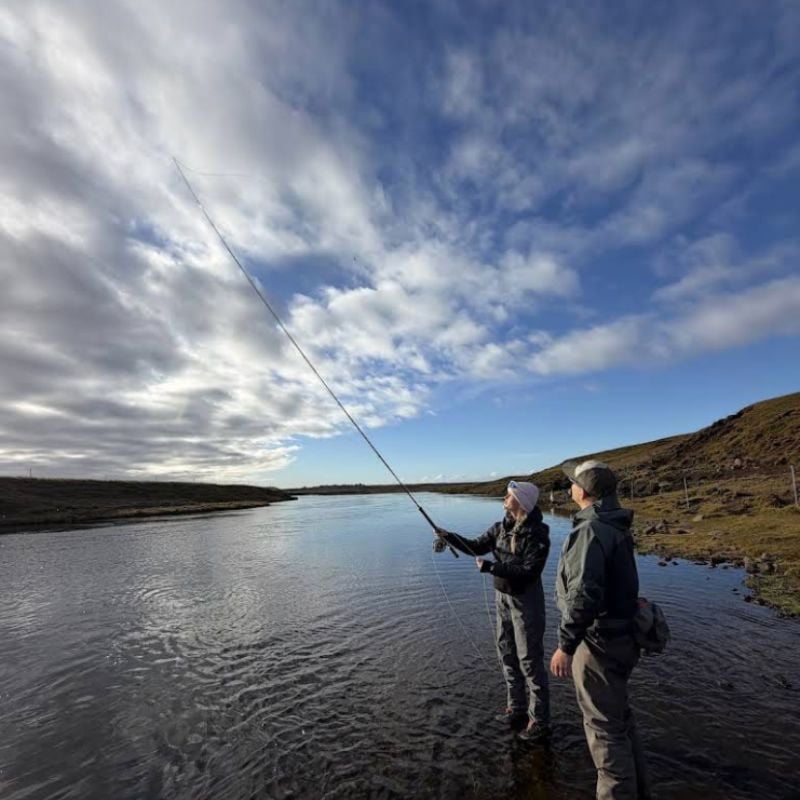
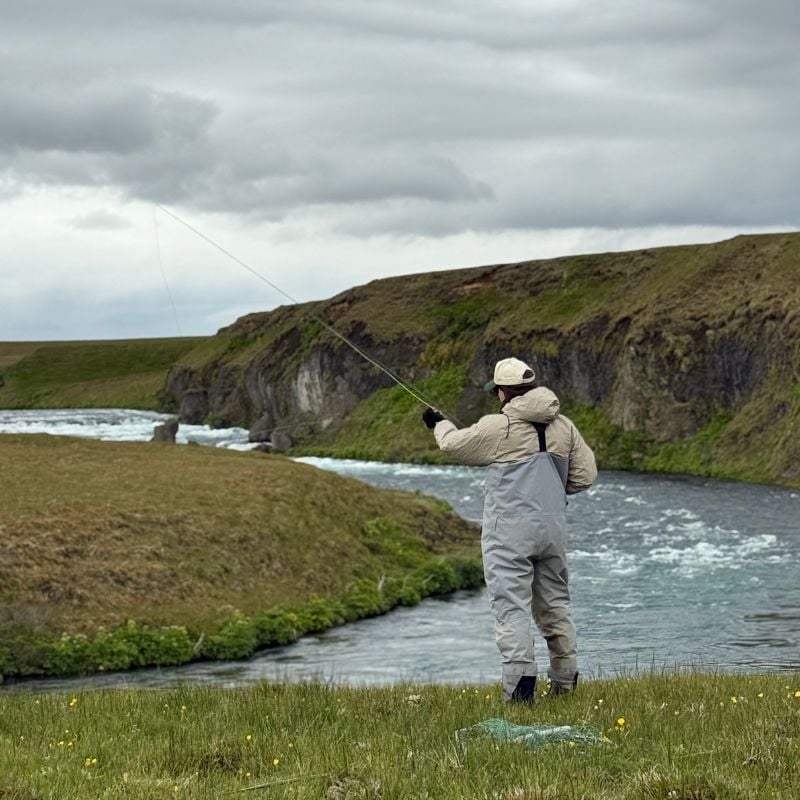
Reel in Iceland is a new partner, and fishing is a new category for Stuck in Iceland. Ján Chamula runs small, private fly-fishing trips on rivers in South Iceland, one to two hours from Reykjavík. Stuck in Iceland readers get 10% off all his tours with the code STUCKINICELAND.
I asked Ján what a day on the river costs, which fish to go for in which month, what to wear, and what you need to know about permits and bringing your own gear. His answers are below.
Free road trip plans with maps
Day-by-day plans for the four drives most people take, each on an interactive map with where to sleep, fuel stops, waterfalls and reader discounts along the way. Built for a relaxed pace, not a race.
See all road trip plansMap of hot springs, spas and pools
Every lagoon, wild hot spring and town pool in Iceland on one map. Find warm water near you, and see which spas give my readers a discount.
- 57 places to soak
- % Reader discounts
Discount code for Reel in Iceland: STUCKINICELAND
10% off all fishing tours. Pick your trip through this link to Reel in Iceland and enter the code when you book. If you send Ján an enquiry instead, mention the code in your message.
What is Reel in Iceland?
Reel in Iceland is Ján Chamula’s own guiding company. He takes one small group at a time, so the day runs at your pace. He picks you up in the Reykjavík area or meets you at the river.
These are the trips he offers at the moment:
- Arctic char and brown trout: the one to pick if you are new to fly fishing or want plenty of action
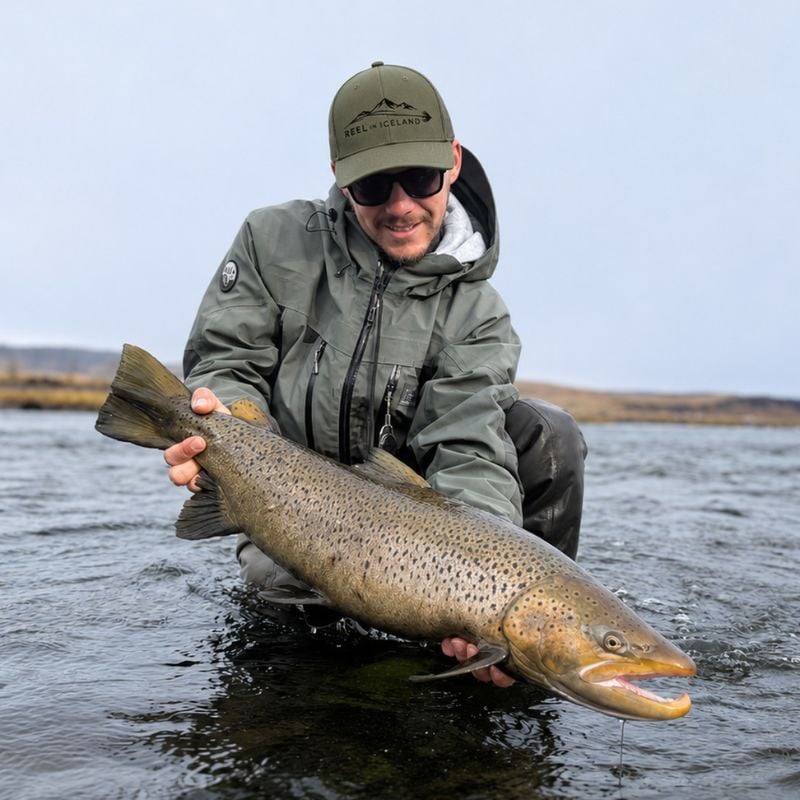
- Trophy brown trout: a day spent looking for one big fish
- Sea trout: spring and autumn fishing for strong fish
- Atlantic salmon: the classic Icelandic river fishing, and the most expensive
- Self-guided trips: Ján arranges the permit and the plan, and you fish on your own
On the guided trips, the fishing permit, rod, waders, boots, flies, and instruction are included. Beginners are welcome.
Ján gives prices in the interview below. Treat them as a guide. Prices, seasons and terms change, so check the current ones on the Reel in Iceland tour page before you book.
Three things to know before you book
Ján explains all of this below. Here is the short version:
- You cannot just turn up at an Icelandic river and start fishing. Most rivers allow only a few rods a day, and permits are arranged in advance. On a guided trip, Ján takes care of it.
- You do not need your own gear or any experience. He lends you what you need and teaches you from the first cast.
- If you bring fishing gear that has been used abroad, it has to be disinfected before it touches Icelandic water. Brand-new gear does not.
Then dress in layers and take your time. The fish are not going anywhere.
Fishing in Iceland: an interview with Ján Chamula of Reel in Iceland
Fishing is one of those things many travelers assume is out of reach in Iceland: too expensive, too complicated, booked years ahead. Ján Chamula would like a word about that.
He learned to fish on the rivers and lakes of Slovakia and has spent the last 13 years getting to know Icelandic waters. After guiding for another company, he started Reel in Iceland in 2026 to offer small, personal fishing trips.
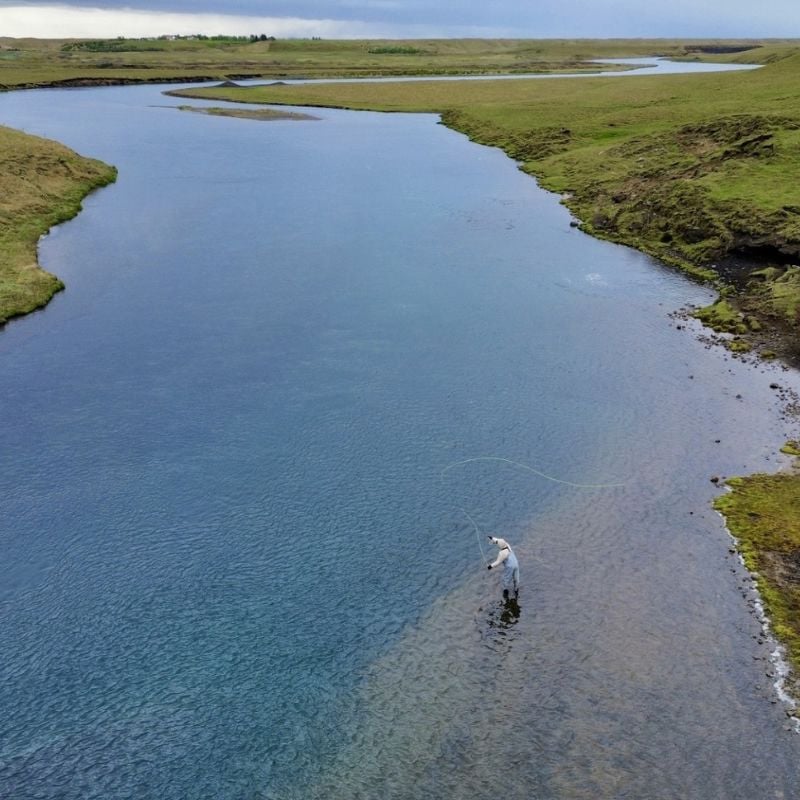
Guests can either be picked up in the Reykjavík area or meet him directly at the river. Most trips take place in South Iceland, around one to two hours from Reykjavík. Fishing permits and equipment are included, and beginners are always welcome.
I asked Ján what travelers should know before they cast a line in Iceland.
You grew up fishing in Slovakia and have now lived in Iceland for 13 years. What brought you here, and why did you decide to start your own guiding company after working for another one?
Two things brought me to Iceland: my friends and the desire to fish!
I started fishing almost immediately after arriving. I bought the Veiðikortið (the Icelandic Fishing Card) and headed out with just a rod and a few flies. No waders, no fancy equipment.
The first lake I tried was Kleifarvatn, and I fell in love with the place straight away. It’s a big lake, and I had absolutely no idea where to start. So I opened Google Maps, picked a little spot that looked interesting and started casting.
It didn’t take long before I caught my first Arctic char. I remember thinking, “Is it really this easy?” Of course not, I was just lucky! Later, I moved from lakes to rivers and fell in love all over again.
So why did I start my own guiding company? There are two reasons.
The first is simple. I’m a huge fishing enthusiast, and I love sharing what I know and helping people catch fish. Some anglers keep their secret pools and favorite flies to themselves. I’m the complete opposite. Whether I’m fishing with friends or chatting with someone I’ve just met by the river, I genuinely want them to catch fish. So becoming a fishing guide felt like a natural step.
The second reason is a bit of a secret. I found out I was going to be a dad, which was the best news in the world! But every fishing maniac knows what that means for your time on the water. So how do you solve that problem? You become a fishing guide! Suddenly, fishing isn’t just a hobby anymore. It’s work, right?
After guiding for another company, I eventually decided to start my own. Reel in Iceland. I’d been thinking about it for a long time.
I wanted to focus on personal, private fishing experiences, fish rivers I know and trust, and really get to know my guests before they arrive, rather than simply meeting them in a parking lot.
Running my own business also lets me spend summers guiding in Iceland and winters in Slovakia with my family. After 13 years of living away from home, bringing both sides of the family closer together means a lot to me.
Fishing in Iceland has a reputation for being expensive and hard to arrange. Is a day on the river within reach of an ordinary traveler, including someone who has never held a rod? Roughly what should people budget, and what is included?
Yes, Iceland is an expensive place to fish; I’m not going to lie! But there are good reasons for that, and fortunately, there are also ways to enjoy fishing here without spending a fortune.
One of the main reasons for the high prices is how fishing is managed in Iceland. Most rivers have a strictly limited number of fishing permits available each day. This helps protect fish populations and reduces fishing pressure. It also means you’re often sharing an entire stretch of river with just a handful of other anglers, sometimes nobody at all!
Add the relatively short fishing season, high operating costs and demand for certain rivers, particularly Atlantic salmon rivers, and the prices start to make more sense.
But you certainly don’t need to spend thousands to experience fishing in Iceland!
For budget-conscious travelers, I’d recommend looking into Veiðikortið (the Icelandic Fishing Card). It costs around 10,000–11,000 ISK and gives you access to dozens of lakes across Iceland. It’s a fantastic option if you have your own fishing equipment and are happy to explore independently. Just remember that it covers participating lakes, not the famous salmon rivers.
Another option is a self-guided fishing tour. This is something I offer through Reel in Iceland, starting at €440 per person for a group of three, or €690 for a solo angler. The fishing permit is included, along with a detailed itinerary, maps showing where to park and fish, and advice on which flies and techniques to use. Basically, I take care of all the planning so visitors can concentrate on enjoying their day on the water.
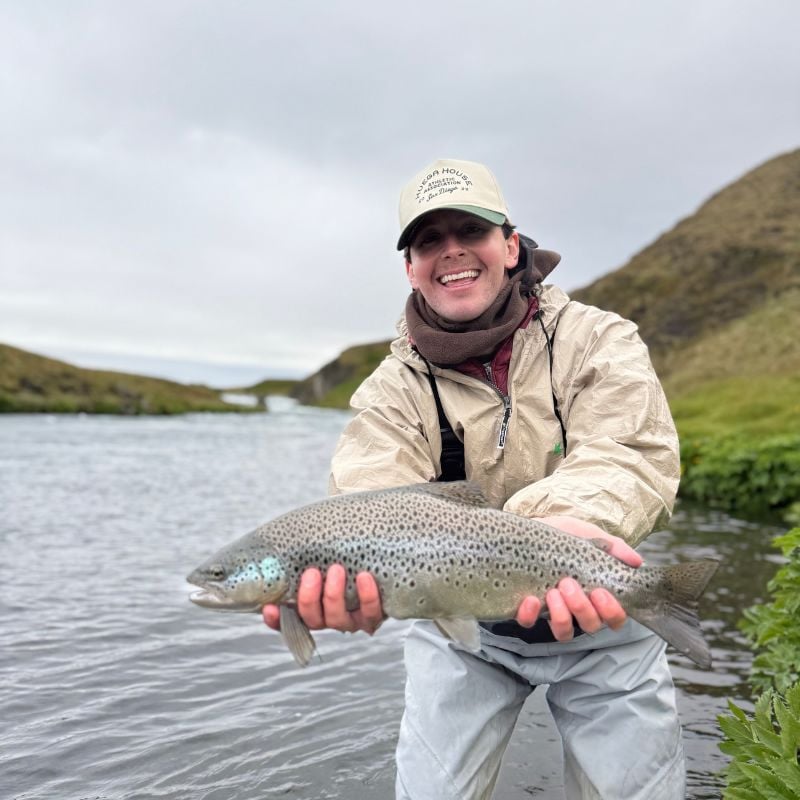
And what about someone who has never held a fishing rod before? Absolutely, they’re welcome! In fact, I really enjoy introducing beginners to fly fishing.
A private guided full-day trip starts at €1,240 for one person, with lower per-person prices for couples or small groups. Fishing permits, rods, waders, flies, and personal instruction are all included, so you don’t need any previous experience or expensive equipment.
I always tell people that you don’t need to catch a monster trout to have an incredible day fishing in Iceland. Sometimes it’s simply about standing in a beautiful river, surrounded by mountains, learning something new and experiencing a side of Iceland that most tourists never get to see.
You offer trips for brown trout, Arctic char, sea trout, and Atlantic salmon. How should a reader choose between them, and which months are best for which fish?
It really depends on when you’re visiting Iceland, your fishing experience and, of course, what kind of fish you’re dreaming of catching!
Roughly speaking, the best months are:
| Fish | Best months | Good for |
|---|---|---|
| Sea trout | April–May and late August–October | Powerful fish, especially in spring and autumn |
| Brown trout | April–September | Plenty of action or the chance of a trophy fish |
| Arctic char | June–August | Beginners and anglers looking for more action |
| Atlantic salmon | Late June–September, especially July and August | The classic Icelandic salmon fishing experience |
For someone with little or no experience, I’d usually recommend Arctic char or regular brown trout fishing rather than chasing a trophy fish. Depending on the river, you’ll have more chances to practice, improve your casting, and hopefully catch a few beautiful fish along the way.
Then there are people who come to Iceland specifically for Atlantic salmon. It’s probably the most expensive fishing here, but let me tell you, it’s well worth it!
I’ve guided people for salmon who had never fly-fished before, and by the end of the day they were almost speechless. They learned how to Spey cast, caught a few beautiful salmon, and experienced some proper fights. It doesn’t get much better than that!
And then you have the anglers who dream of catching a really big brown trout. For many, that’s the fish of a lifetime.
On a trophy brown trout tour, the whole approach is different. We’re not necessarily trying to catch ten fish. We’re looking for that one special fish, and anything else is a bonus.
That’s the beauty of fishing in Iceland. You can spend a day catching smaller trout and char, or you can spend the entire day hunting one big fish. Both experiences can be equally rewarding.
And if you can’t decide, just get in touch! We’ll talk about your experience, what you’d like to catch and what kind of fishing you enjoy, and find the right trip together.
Walk us through a day with you, from pickup in Reykjavík to the drive home. What should guests wear and bring, and what do they need to know about permits and about bringing their own gear into Iceland?
I usually pick up my guests from their accommodation in the Reykjavík area in the morning, although they’re also welcome to meet me directly at the river.
The drive to South Iceland normally takes around one to two hours. It’s a great opportunity to get to know each other, talk about the plan for the day, and enjoy some of the incredible scenery along the way.
Once we arrive at the river, we get everyone set up with waders, boots, rods, and flies.
If I’m guiding beginners, we start with the basics: how to cast, how to read the water, and where fish are likely to be holding. There’s no rush, and nobody needs to feel embarrassed about being a complete beginner. Everyone has to start somewhere!
For more experienced anglers, we can get straight into fishing. I’ll help choose the right flies and adjust our tactics depending on the conditions.
We spend the day fishing, with a break for lunch and some time to relax. Light refreshments are included, but it doesn’t hurt to bring something extra. At the end of the day, we pack up and head back toward Reykjavík.
What should you wear and bring?
The most important thing is to dress in layers. Icelandic weather can change incredibly quickly, even in the middle of summer.
I’d recommend a good base layer (preferably not cotton), a warm fleece or wool mid-layer, and a waterproof, windproof jacket. A warm hat, gloves, polarized sunglasses, and sunscreen are also worth bringing.
Waders and boots are provided, so all you really need underneath are warm socks and comfortable trousers. And of course, a few extra snacks and a water bottle never hurt!
What about fishing permits?
All fishing permits are included in my guided trips, so guests don’t need to arrange anything themselves.
You generally can’t just turn up at an Icelandic river and start fishing. Most rivers limit the number of rods allowed each day, and you need to arrange fishing permits in advance.
Can visitors bring their own fishing equipment?
Absolutely! But there’s one important thing to know.
Iceland has strict regulations designed to protect its freshwater fish from diseases and parasites.
Fishing equipment previously used abroad, including rods, reels, flies, waders, and boots, must be properly disinfected before use in Icelandic waters.
You can arrange this before traveling through a veterinarian or another approved provider and bring a valid disinfection certificate. Alternatively, disinfection services are available in Iceland, including at Keflavík Airport.
Brand-new, unused equipment doesn’t need disinfection.
Of course, if you’d rather avoid the hassle, you’re more than welcome to use my equipment!
What are your favorite activities and places in Iceland?
Apart from fishing? Definitely sightseeing, especially in the Icelandic highlands!
I love getting into a good 4×4 and exploring the F-roads. One place I’d particularly recommend is Landmannalaugar. No matter how many times I visit, it still feels magical.
The colorful mountains, lava fields, and natural hot springs make it one of my favorite places in Iceland. It’s completely different from anything you’ll see along the main roads.
Just remember that F-roads are generally only open during the summer, often from around late June depending on conditions, and require a suitable 4×4 vehicle. Always check road.is before heading into the highlands.
And here’s a little bonus for anyone who loves fishing: I even know a lake where you can fish completely for free!
What advice do you have for those visiting Iceland for the first time?
Do your research!
Yes, Iceland is expensive, but it doesn’t always have to be as expensive as people think. With a little planning, you can save quite a lot of money.
People like Jón here at Stuck in Iceland can help you discover great places to visit, and his discount codes can help you save money on different parts of your trip.
My second piece of advice is to be prepared for the weather.
Bring a proper waterproof and windproof jacket, warm clothes and comfortable layers, even if you’re visiting in the middle of summer.
And most importantly, leave some flexibility in your plans. Don’t schedule every minute of your holiday.
Icelandic weather is unpredictable, and sometimes it will change your plans for you. That’s just part of the experience!
Always check vedur.is for the weather forecast and road.is for road conditions before heading out.
Get 10% off your fishing trip with Reel in Iceland
Thank you, Ján. If you want a day on an Icelandic river, choose your trip on the Reel in Iceland website and use the code STUCKINICELAND for 10% off.
You will find the rest of my reader discounts on the Stuck in Iceland deals page.
Join 8,000+ Iceland travel fans and unlock the reader discounts
Get Iceland advice straight from a local, once a week. Subscribe and unlock discount codes from 50+ hand-picked Icelandic companies.
- Instant access to the reader discount codes
- Savings on tours, hot springs, car and camper rentals
- Tips and ideas for planning your Iceland trip
Free, once a week. Unsubscribe any time.
★★★★★
“Jón answers quickly and tries to find a solution … I recommend Jón and his site Stuck in Iceland from all my heart!”
Christian D., reader review on Trustpilot, November 2026
Reel in Iceland: 10% Off Guided Fishing Tours in South Iceland
