

Join 8,000 Iceland Travel Fans & Unlock Exclusive Discounts
Get Iceland advice straight from a local. Subscribe and unlock exclusive discounts from 50+ hand-picked Icelandic operators.
- ✔ Instant access to exclusive discount codes
- ✔ Savings on tours, car, and camper rentals
- ✔ Tips and inspiration for planning your Iceland trip
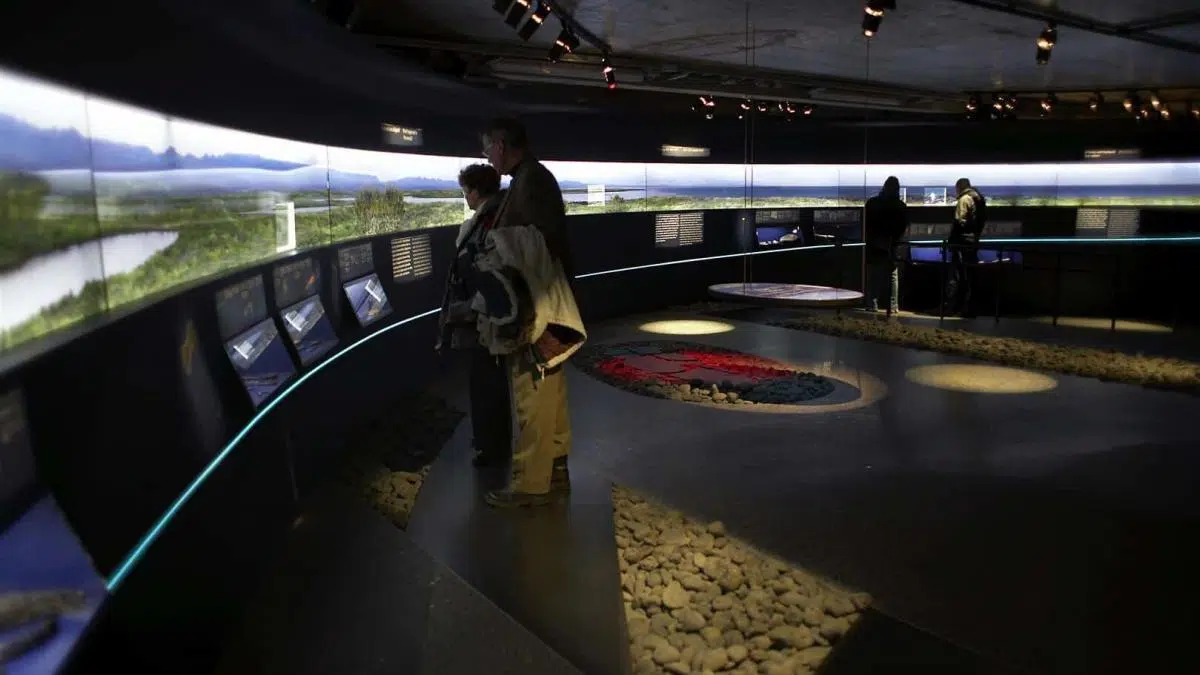
I am fascinated with the origins of things. How they began and how they evolved. I am intrigued by how history is ever-changing with the times. It is fascinating to see how one generation perceives its history differently from preceding generations. Rarely are we able to peel back the layers of myths and half-truths accumulated over time and able to get to the core of things. So it is no wonder that I am a big fan of The Settlement Museum, which is centered around an excavated Viking hall in Reykjavik.
A real Viking Age hall in Reykjavik
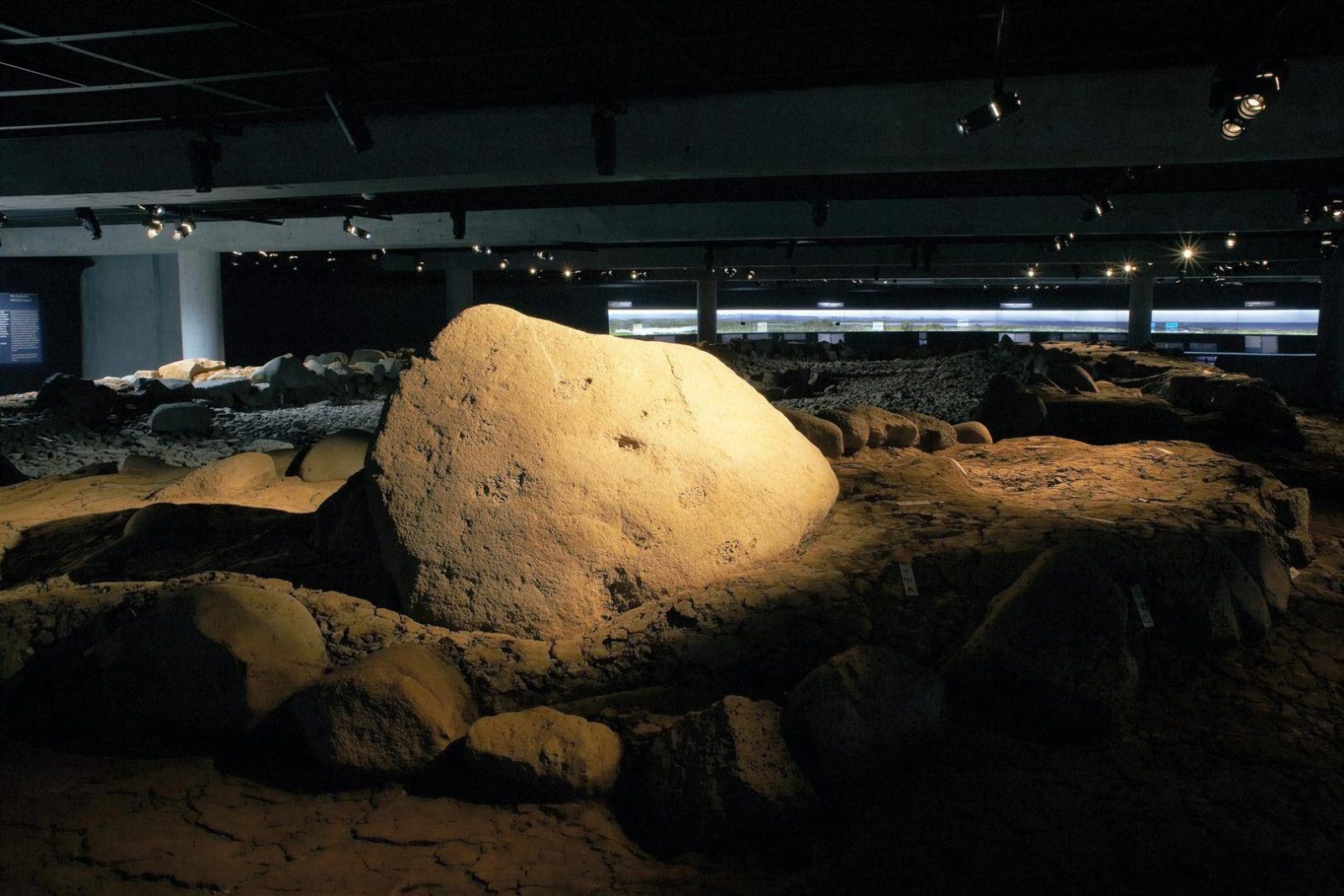
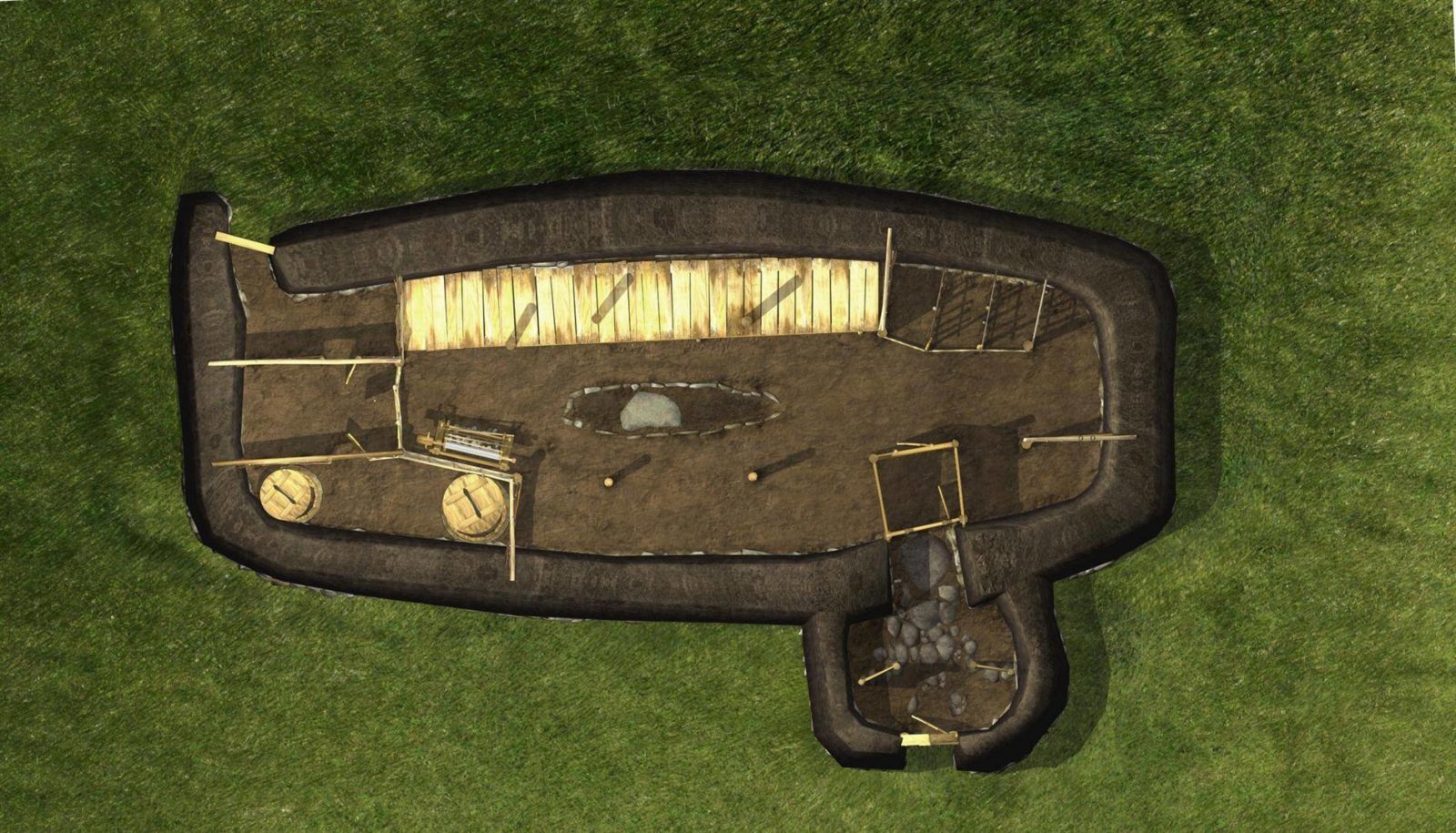
The exhibition is focused on a Viking Age hall that was excavated in 2001 and located in Adalstraeti (or “Main Street) in the center of Reykjavik. This is the area believed to be the site of Iceland’s first settlement. According to archaeologists, the hall was inhabited for some 70 years, from about 930 AD to 1000 AD. So this covers the period from the founding of the Althingi Parliament in Thingvellir (in 930) to the adoption of Christianity (in 1000). But it was built some time after the traditional date of the settlement of Iceland in 874.
Work hard, and you shall not starve
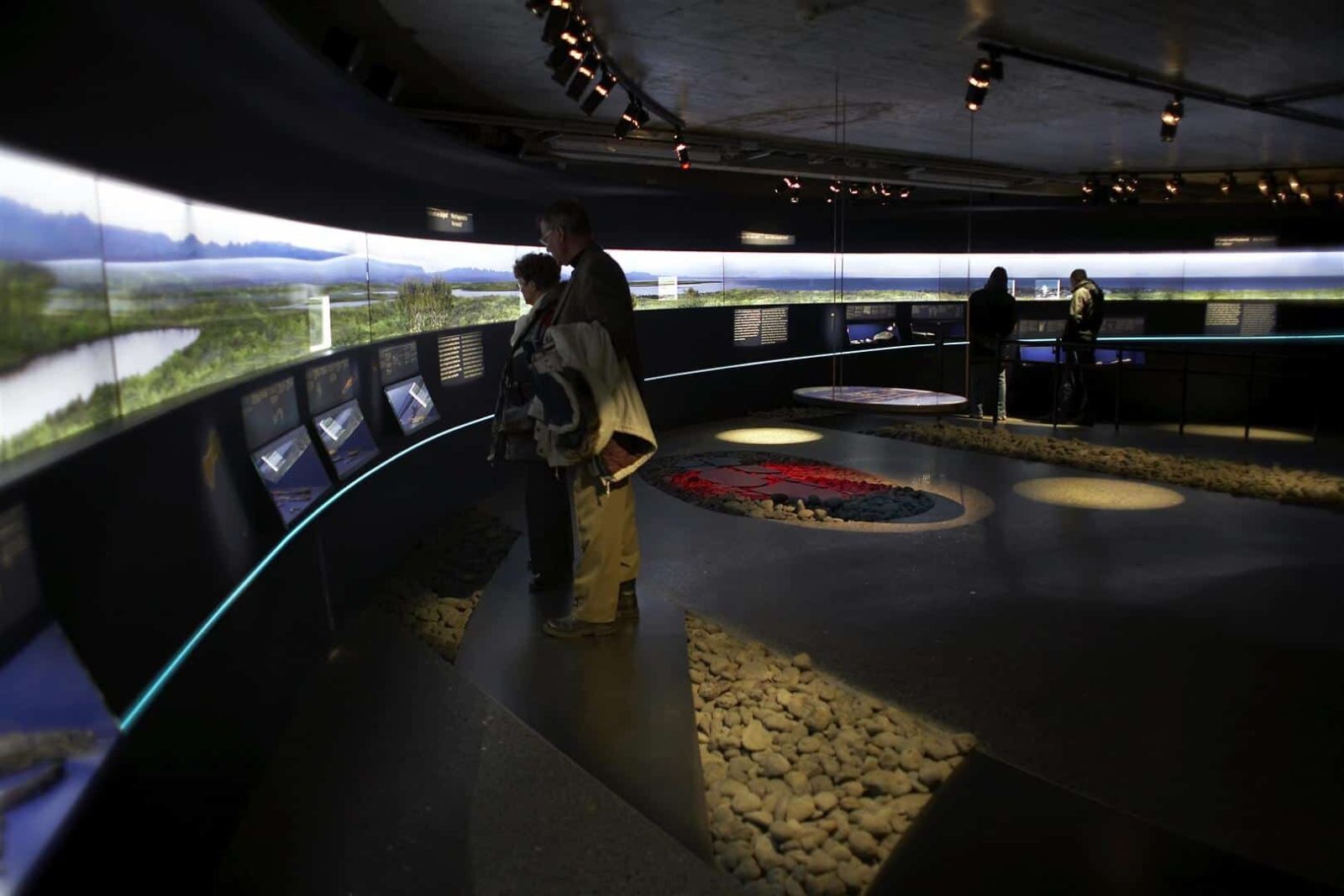
The exhibition is an impressive treat for the senses. It has perfectly preserved remains of the hall and a full-on multimedia experience. This shows the living conditions of the people who lived in this hall and in Reykjavik during the Viking Age. On display are the mundane things of everyday life that reveal how people made their living in the Viking Age. It seems to me, at least, that people had it good; there was plenty to eat, though you had to work hard. People would live from farming, raising cattle and growing corn, fishing, hunting birds, and seals.
Where are those Viking warriors?
They seem to have been well off, but there is nothing to denote a great chieftain, warriors, or anything like that. They seem to be have been everyday people making a pretty good living out of hard work and resourcefulness. We also know that this hall was not the only dwelling in this period. The remains of a much larger hall were found a few years later nearby. So this hall and its remains do not tell the whole story of the Reykjavik area in the Viking Age.
Where are the warriors with the great horned helmets?
These facts and realities, as unearthed by archaeologists, differ to some degree from the traditional view of Icelandic history. This traditional view is based on two books: Íslendingabók (The book of the Icelanders) and Landnáma (The Settlement Saga). During the struggle of independence in the 19th century and early 19th history these medieval text were accepted as gospel as they fitted perfectly the nationalistic mood of the times. The early Icelanders were perceived as hardy, independent Viking pioneers who left Norway to escape the tyranny of the Norwegian ambitious king Harald Hardrada (“The Hard Ruler”). And no, the Vikings never wore horned helmets. These would have been a liability in battle since an opponent could easily grab the horns and yank the helmet off. This would leave a warrior vulnerable to the ax blow that would break his skull and send him to Valhalla in a hurry.

So where did we put those pillars again?
The settlement of Reykjavik is also described in some detail. The really short version is that Iceland was first settled in 874 AD by Ingolfur Arnarson and his wife Hallveig Frodardottir. Ingolfur traveled to Iceland with his blood brother Hjorleifur after being chased out of their home country of Norway following a feud. After a detour where Hjorleifur was killed by his slaves, and Ingolfur avenged him, Ingolfur settled in Reykjavik.
Why settle in Reykjavik?
This story is written some three centuries after it happened. The author seems mystified as to why Ingolfur chose Reykjavik when he had an entire country to choose from. According to the account, when Ingolfur was sailing, he threw out his sacred high-seat pillars and swore to the pagan gods that he would settle where he would find them on the coast. He was, in other words, leaving the choice of his settlement to the gods.
Send the slaves to find those tree trunks!
Ingólfur was not going to look for the tree trunks himself; he sent a couple of Irish slaves, who eventually found them in Reykjavik. According to the account, they were unhappy about Reykjavik and complained that they had been all over great farming country to settle on this rather miserable place. This story is complete nonsense, of course. Imagine the task. Two guys are supposed to go on foot and find two tree trunks on a vast coastline.
The land of gold and honey
However, the exhibition reveals that Reykjavik was a completely logical choice for settlement. It had a good natural harbor with easy access to great fishing grounds and seals, a river full of salmon just nearby, small islands just off the coast where you could place your cattle securely, or, as the climate was a lot warmer than today, you could grow corn. It had a birch forest that provided ample fuel for metalworking. The Great Auk, a big flightless bird, was in abundant supply, and that poor creature was hunted to extinction. There was a source of fresh water nearby. The well that has served Reykjavik for a millennium is still there just down the street.
Let’s go and hunt some walrus and make some serious cash!
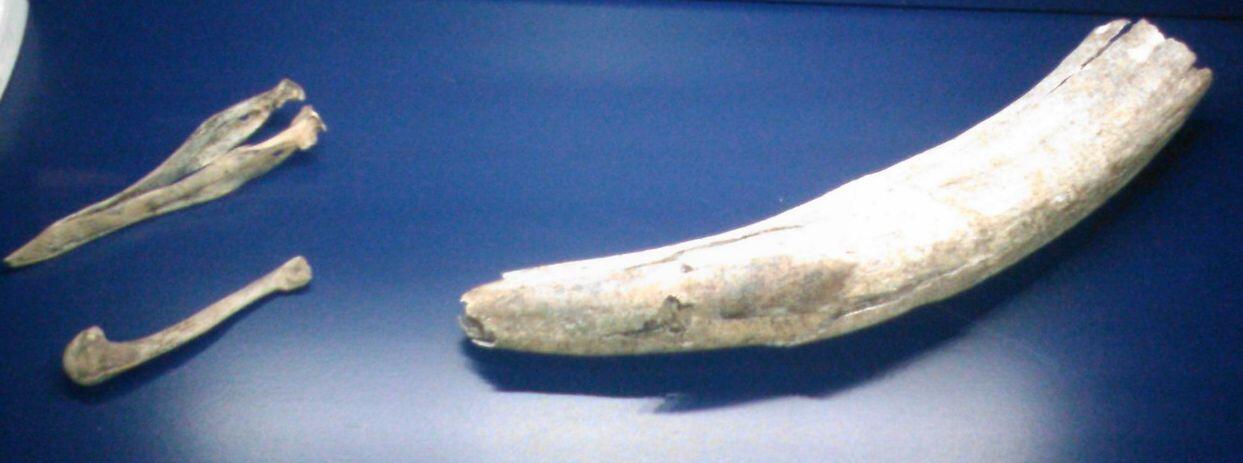
There might be another reason for Ingolfur (or whoever first settled Reykjavik) to choose this place. This reason is a massive amount of blubber, up to 1 ton, and up to meter-long tusks in the walrus. Walrus tusks and ropes made from their skins (svarðreipi in Icelandic) were prized in medieval times. The tusks replaced ivory, which was scarce. This was caused by the Arab advance in the Middle East. This severed the ivory trade routes to the Western world. The ropes were used in ships. It is known that walruses had their breeding grounds close to or right in the Reykjavik area. Nobody likes to pay high taxes to a greedy king, but that might not convince you to embark on a dangerous sea journey across the North Atlantic to a distant island. The change of striking it really rich just might, though.
Hidden in history
The authors of the Sagas of the Icelanders and Landnáma wrote their texts when Iceland was a country of settled farmers rather than seafaring adventurers or hunters. And Reykjavik wasn’t appealing to farmers at all, where a colder climate was eliminating the possibility of growing corn, and the forest had been depleted. Intriguingly, three walrus tusks were found hidden in the hall at Adalstraeti. A treasure hoard left behind, perhaps, or an offering to the gods. We will never know.
The oldest known structure in Iceland?
Right next to the hall are unimpressive remains of a turf wall, something you wouldn’t really give a second look. But don´t let appearances fool you: this turf wall is situated beneath the tephra layer called the settlement layer, which comes from an eruption known to have taken place in Iceland around 870 and is used to date archaeological remains. So it is older than the hall and pre-dates the traditional year of settlement. Carbon dating indicates that other remains of human habitation found in Iceland might be a lot older. This is contested, so we will stick with the turf wall for now. In any case, this rather unimpressive piece of turf upends a big chunk of the history education I received as a child. Thank you very much, archaeology!

And there is more. Recent excavations right next to the Parliament house have revealed large-scale metal works dating back to the Viking age. It was an entire factory never mentioned by any old book. So I dare say that archeology will continue to rewrite the history of Iceland.
How to get to the Viking Hall in Reykjavik
The museum is located underneath Adalstraeti 16 in the center of Reykjavik.
Did you enjoy this article?
Get more Iceland insight — straight from a local who's lived here his entire life
Join 8,000 travellers getting honest Iceland advice and unlock exclusive discount codes from 50+ hand-picked Icelandic operators.- ✔ Instant access to exclusive discount codes
- ✔ Savings on tours, car and camper rentals
- ✔ Tips and inspiration for planning your Iceland trip
No spam. Unsubscribe any time.