

Get discount codes for northern lights tours
Subscribe and I’ll email you the reader codes for the northern lights tours I work with, plus Iceland advice from a local once a week.
- Instant access to the reader discount codes
- Savings on tours, hot springs, car and camper rentals
- Tips and ideas for planning your Iceland trip
Free, once a week. Unsubscribe any time.
★★★★★
“Jón answers quickly and tries to find a solution … I recommend Jón and his site Stuck in Iceland from all my heart!”
Christian D., reader review on Trustpilot, November 2026
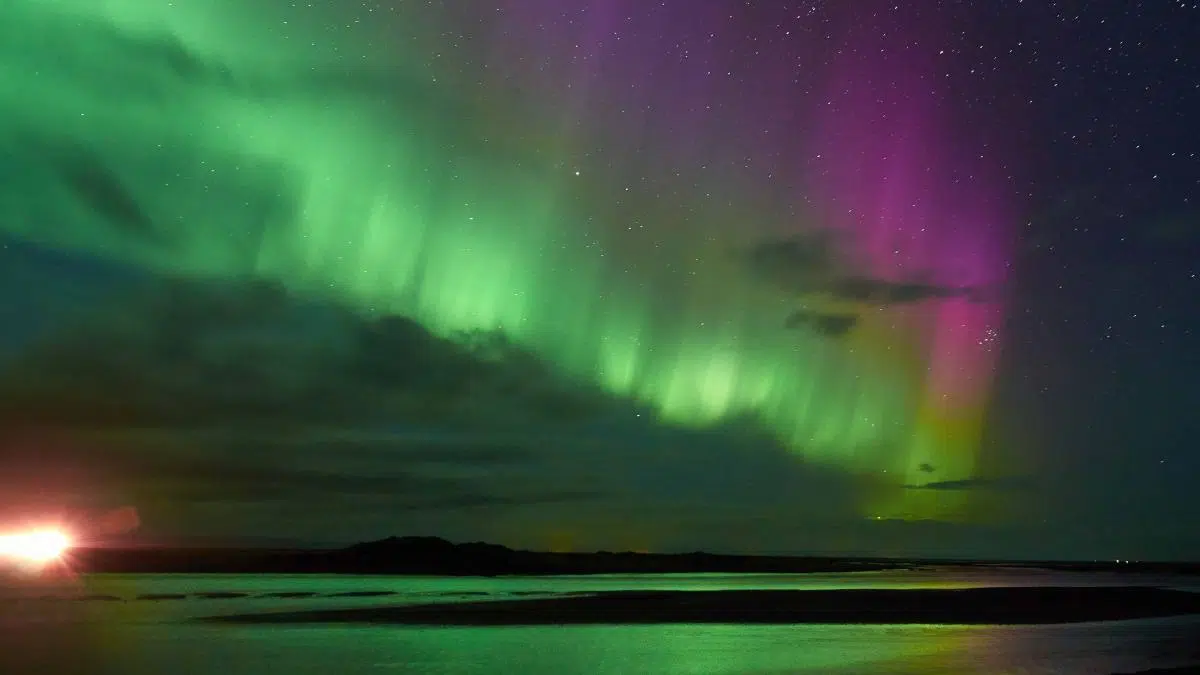
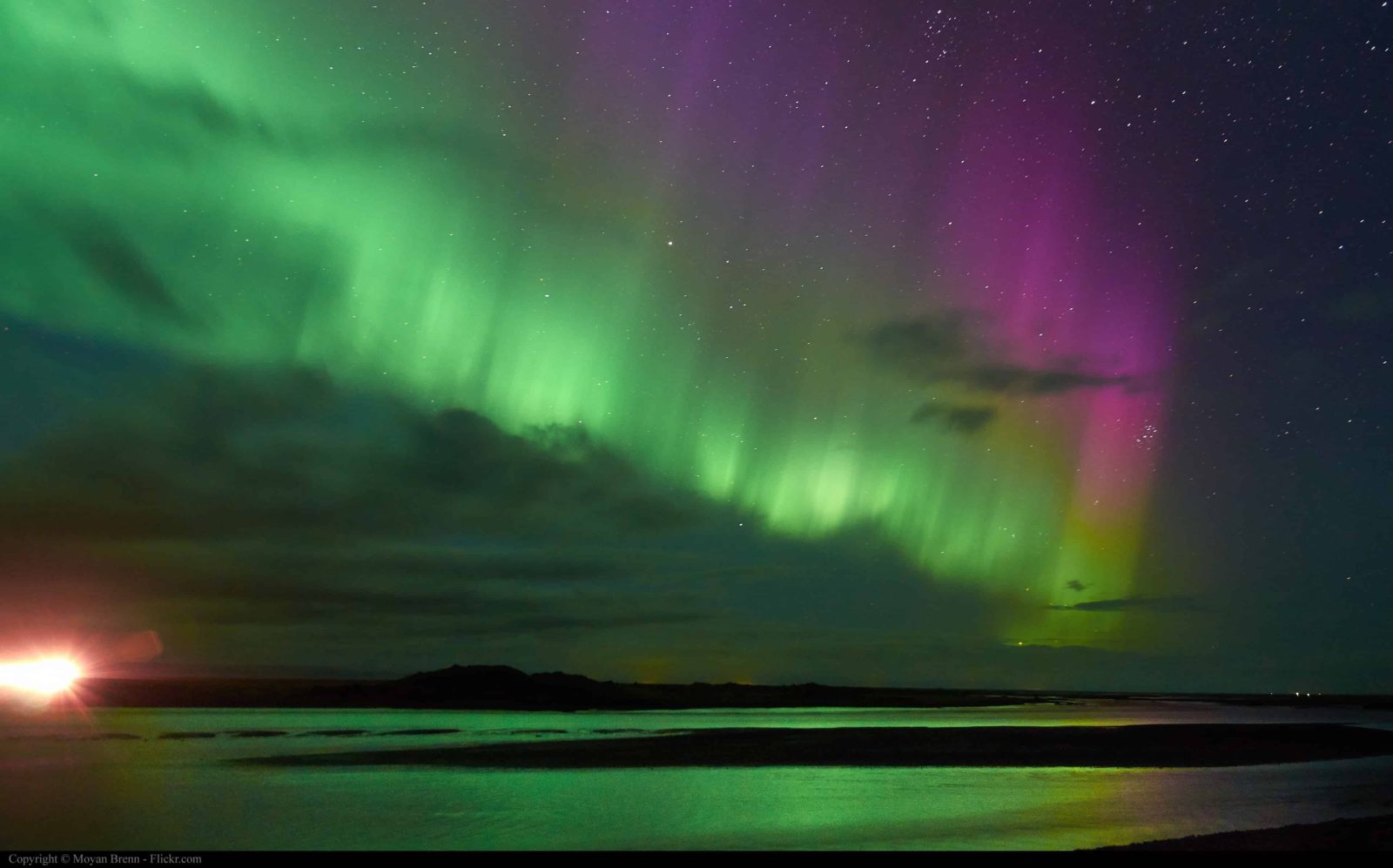
Hanging mysteriously in the sky, dancing with exotic colors and spectacular sweeps of light, it is hardly surprising that the Northern Lights have enchanted and mesmerized humankind for millennia. The aurora borealis have inspired endless myths and folklore. They still provide rich pickings for modern storytellers. So, let’s take a closer look at how the Northern Lights have influenced popular culture over the centuries. In other words, we will explore the inspiration of the northern lights.
Northern Lights Myths
The aurora has been around for a lot longer than our scientific understanding of the phenomenon. When there is no rational explanation for something, myths and stories will inevitably step in to fill the gap. With the aurora visible from many places in the Northern Hemisphere, many explanations have existed.
Free road trip plans with maps
Day-by-day plans for the four drives most people take, each on an interactive map with where to sleep, fuel stops, waterfalls and reader discounts along the way. Built for a relaxed pace, not a race.
See all road trip plansMap of hot springs, spas and pools
Every lagoon, wild hot spring and town pool in Iceland on one map. Find warm water near you, and see which spas give my readers a discount.
- 57 places to soak
- % Reader discounts
The Greeks believed that Aurora was the sister of Helios and Selene. They were the gods of the sun and the moon. The lights resulted from her chariot racing across the sky to alert her siblings of the coming dawn. In China, the lights were the result of fire-breathing dragons, fighting high up in the atmosphere. The Estonians believed they were a magnificent carriage carrying celestial guests to a heavenly wedding.
In other cultures, the Northern Lights are strongly associated with childbirth. Some tribes believe that they relieve the pain of childbirth, while the Japanese believed that a child conceived beneath the aurora would have good fortune. In Native American tribes, they represent everything from the fire of creation to the spirits of the dead, while in Finland, they are allegedly caused by the fire fox running across the ice so fast that it causes sparks to fly up into the sky.
Northern Lights Novels
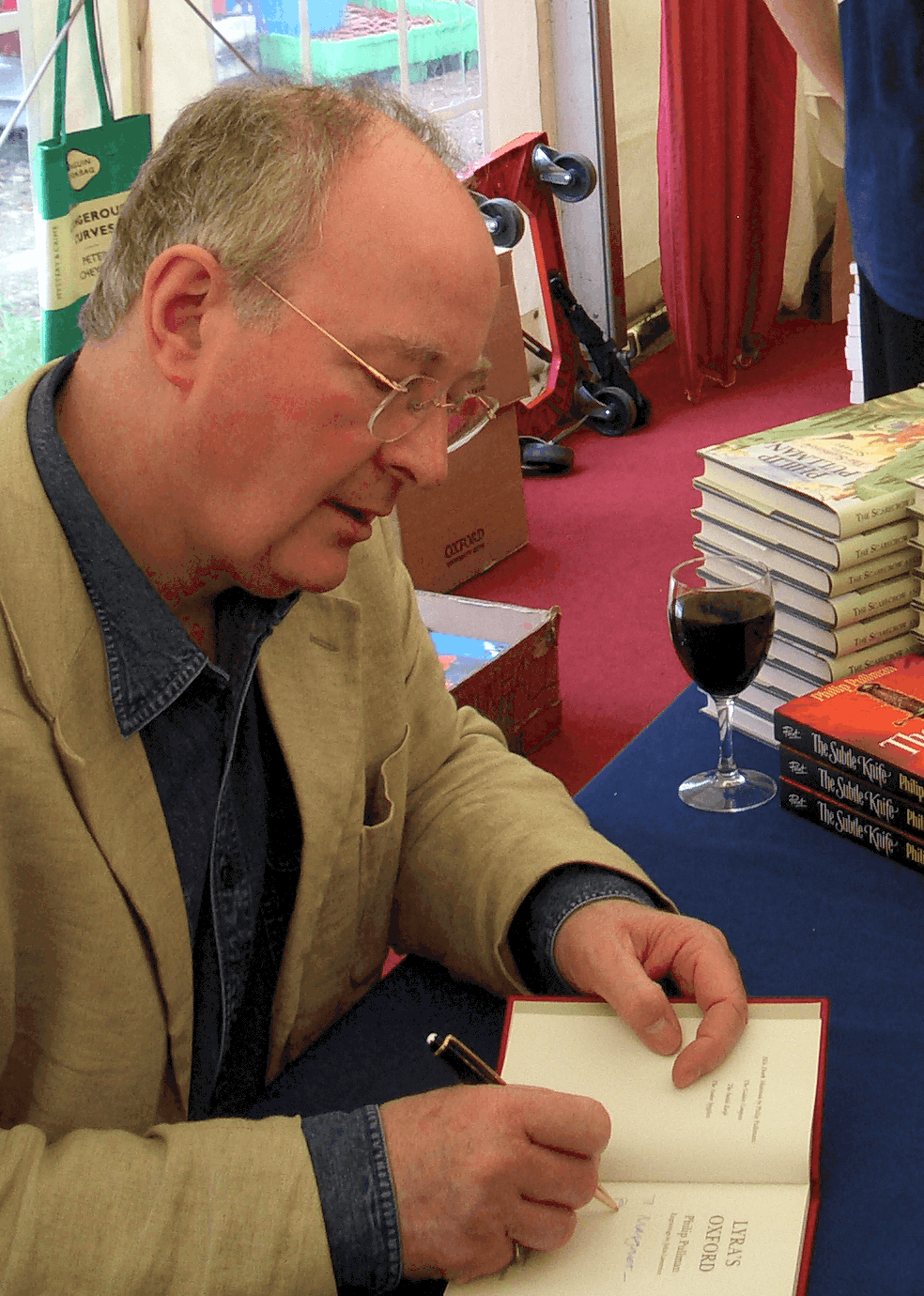
British author Philip Pullman took up the idea of the Northern Lights having an association with the spirits of the dead in his trilogy of novels, “His Dark Materials.” For Pullman, the Northern Lights are formed by a mysterious substance called “dust” and serve as a bridge between multiple realities. The first novel in the series, originally called “The Northern Lights” (1995), was released in America as “The Golden Compass.” “The Subtle Knife” was released in 1997. “The Amber Spyglass” followed in 2000. The first book became a major Hollywood movie. It starred Nicole Kidman in 2007 and is currently a BBC TV series in Britain.
There have also been several other novels titled Northern Lights. These include books by writers such as Tim O’Brien, Howard Norman, Jennifer Donnelly, and the New York Times best-selling author, Nora Roberts.
Northern Lights Songs
Naturally, there are endless examples of native songs that reference to the aurora. There are fewer songs from modern times. Many in the U.K. will be familiar with Renaissance’s 1978 single “Northern Lights.” This song spent 11 weeks in the charts, peaking at No. 10. However, while the track may conjure up images of the spectacular swirling aurora in the sky, it is thought that the “northern lights” in the lyrics indeed refer to the lights of Northern England, as seen from a plane departing for America.
Other Northern Lights References
The aurora has inspired a wide range of products. This ranges from the Canadian Northern Lights whiskey to a Northern Lights projector to recreate the aurora at home. The U.K. named a train that travels to Aberdeen in the far north, The Northern Lights, while Canadian crowdfunding gave the name to their proposed space mission to Mars.
These days, we may know the science behind the Northern Lights. The Earth’s magnetic field deflects the solar wind. That doesn’t make them any less magical or wonderful. They have inspired storytellers and songwriters since the dawn of time. The northern lights will continue to do so for as long as they dance across our skies. Hope that they will be here for a long time to come because, without them, we wouldn’t be here!
This is a sponsored article.
Get discount codes for northern lights tours
Subscribe and I’ll email you the reader codes for the northern lights tours I work with, plus Iceland advice from a local once a week.
- Instant access to the reader discount codes
- Savings on tours, hot springs, car and camper rentals
- Tips and ideas for planning your Iceland trip
Free, once a week. Unsubscribe any time.
★★★★★
“Jón answers quickly and tries to find a solution … I recommend Jón and his site Stuck in Iceland from all my heart!”
Christian D., reader review on Trustpilot, November 2026
